Lubricant OEM Shifts Track: From Capacity Competition to Data Competition
The lubricant OEM industry is undergoing a fundamental shift. In the past, brand owners selected manufacturers through personal connections, hospitality and price comparison. Today, decisions are based on certification data, test reports and batch traceability. The core evaluation criterion has shifted from production capacity to data.
This transformation is driven by evolving demands from brand owners and intensifying industry competition. In 2026, the total production capacity of the lubricant OEM sector exceeds 10 million tonnes, while effective demand stands at only around 3.5 million tonnes. Such structural overcapacity forces manufacturers to upgrade from simply “being able to produce products” to “producing products with consistent stability”. Meanwhile, brand owners impose increasingly stringent requirements on OEM partners, including complete certifications, consistent batch quality, flexible minimum order quantities and on-time delivery.
Quantifiable Hard Metrics Define OEM Strength
Previously, brand owners assessed OEMs mainly by workshop size and equipment quantity. A set of quantifiable hard metrics is now taking shape:
- Laboratory qualifications: Possession of both CNAS and CMA accreditations (CNAS reports enjoy global mutual recognition; CMA reports carry legal validity)
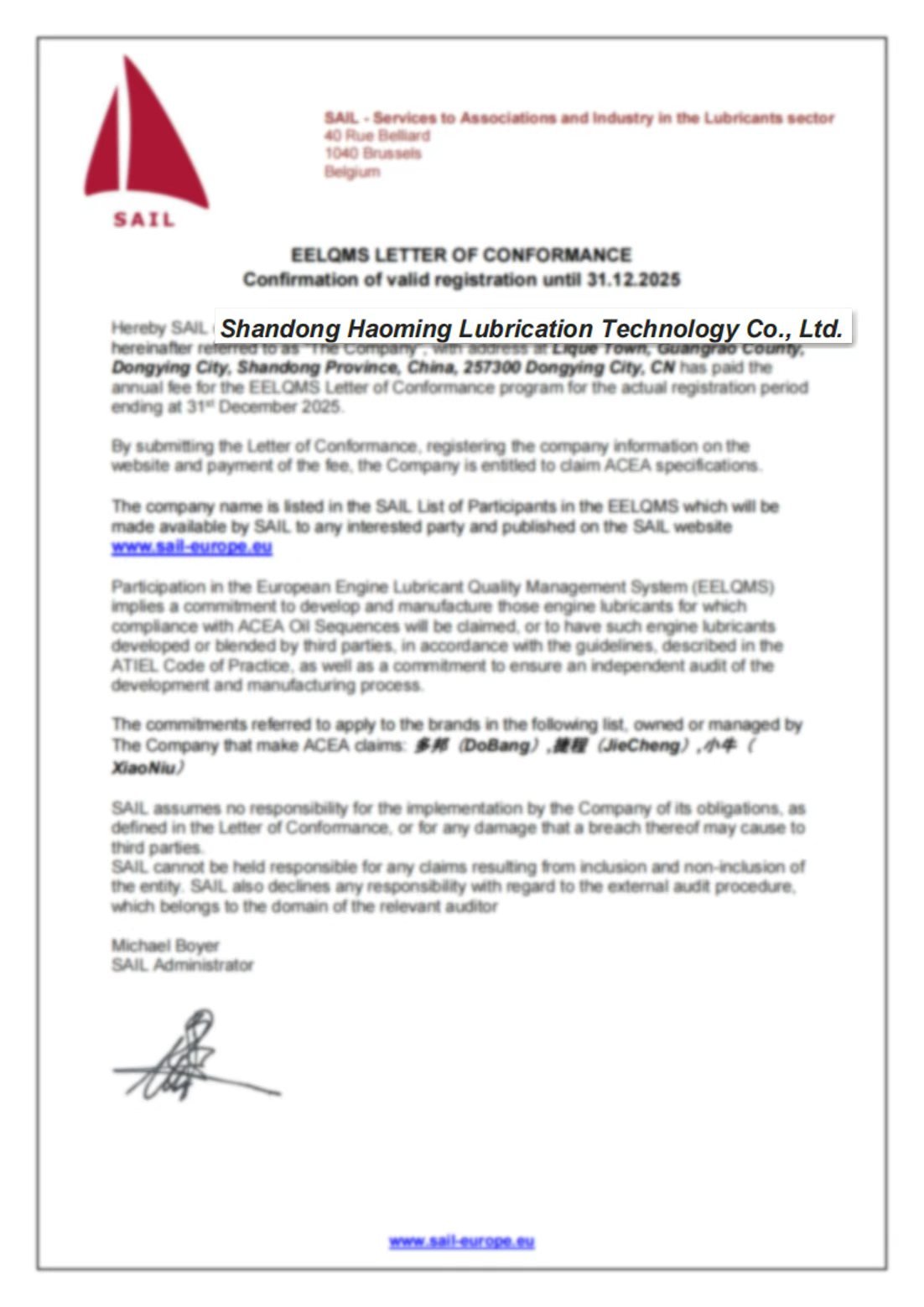
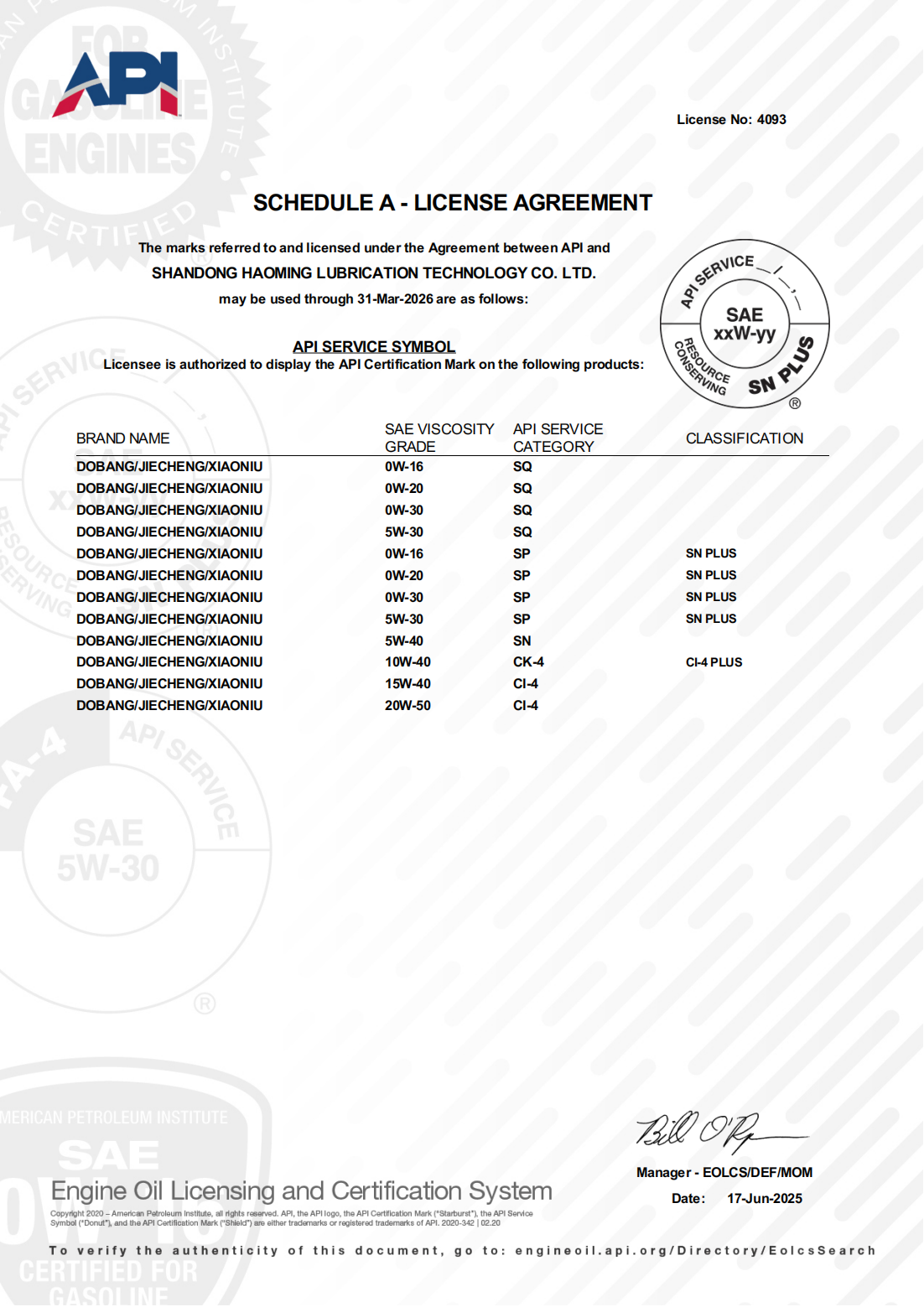
- Certification coverage: Full viscosity range approvals for API SQ/SP grades and multiple ACEA approvals
- Flexible manufacturing capacity: Minimum order tonnage and the number of switchable lubricant product types
- Batch consistency: Full-parameter testing for every batch, with accompanying traceable reports delivered with shipments
- Supply chain resilience: Priority access to premium base stocks and sufficient storage capacity
With these metrics laid out, it becomes straightforward to distinguish manufacturers capable of reliable production from those with unstable quality. Brand owners have changed their supplier selection logic: instead of switching manufacturers after quality failures, they screen partners proactively through data upfront.
Brand Owners Adopt the “Data Verification” Model
A popular lubricant brand based in Shandong launched in 2024 with a trial order of just 3 tonnes of transmission fluid. It was turned down by three or four OEMs before finding one manufacturer that accepted and delivered the order on schedule. The product later became a hit via livestream sales, with monthly volume soaring to over 1,000 tonnes — and the same manufacturer maintained consistent quality standards for ongoing orders.
An auto parts retail chain in Guangdong manages hundreds of SKUs across regional warehouses in the Yangtze River Delta and Pearl River Delta. It requires frequent small-batch, multi-batch replenishment. Equipped with flexible filling lines and an in-house logistics fleet, its OEM partner maintains an on-time arrival rate above 98%, helping the client eliminate inventory pressure.
An export trading company in Zhejiang supplies lubricants to Russia and Africa, facing challenges of extreme climate differences and high certification thresholds. Its OEM partner developed two custom formulations: one rated for -40°C low-temperature performance and another for high-temperature service. The factory assisted with API and ACEA statements of conformity and issued CNAS-accredited test reports. The client’s annual procurement volume grew from 200 tonnes to 1,500 tonnes.
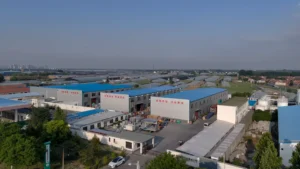
Six Core Practices at Haoming: Aligning Data with Physical Products
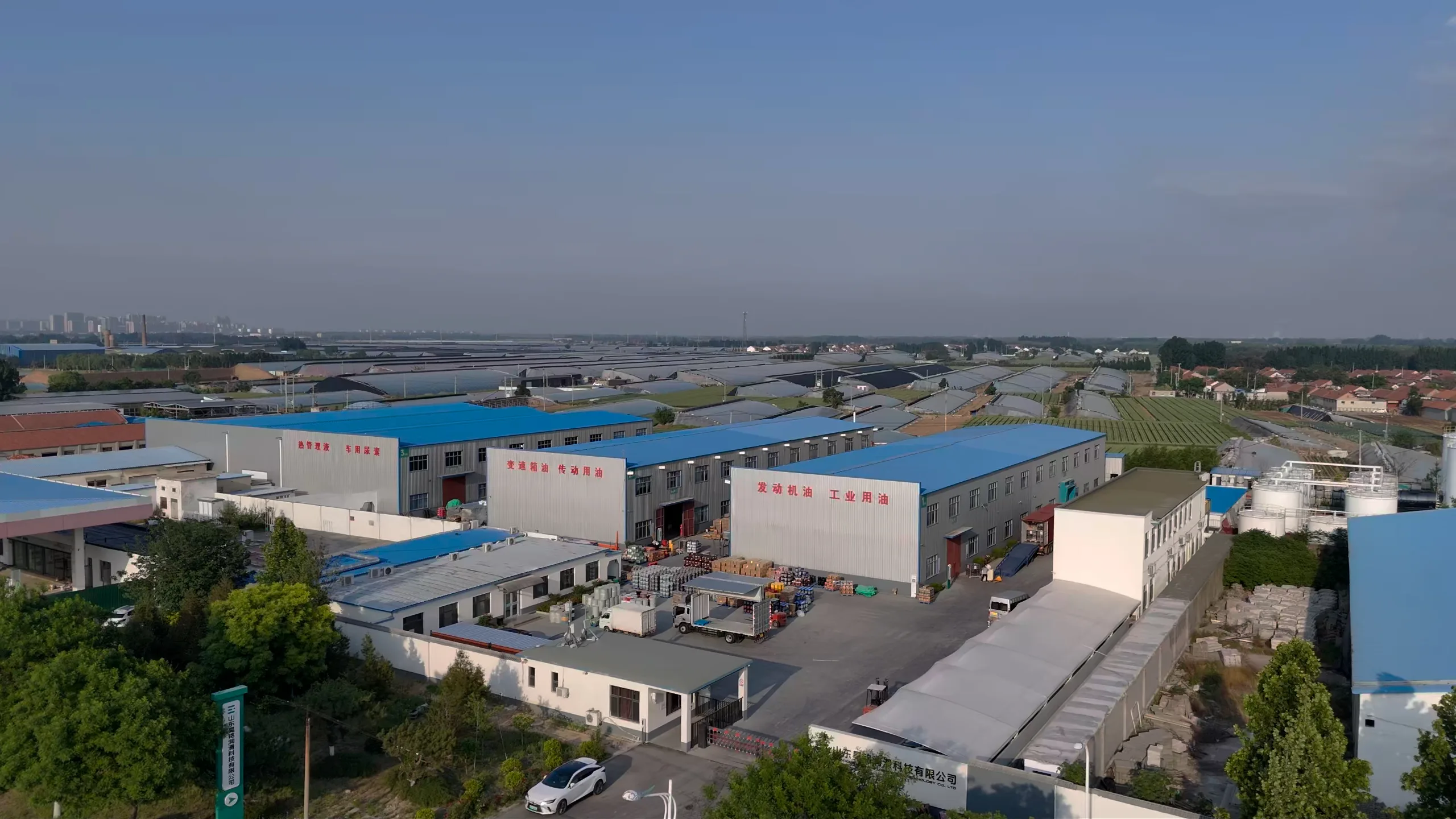
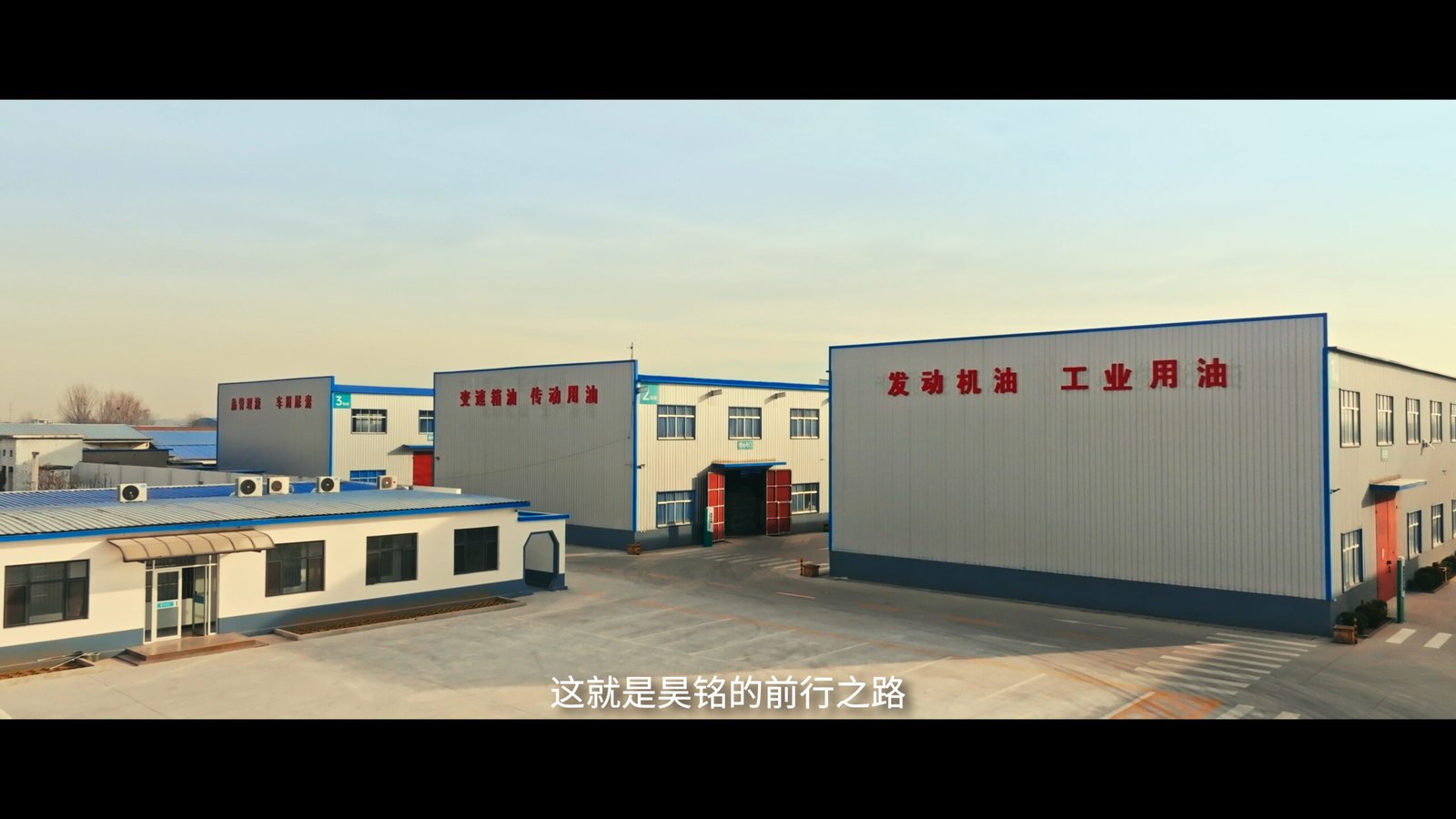
The core OEM philosophy of Shandong Haoming Lubrication Technology is to embed routine quality control workflows into a digital system, generating mutually verifiable data records automatically.
- Raw material traceability: Premium base stock sources include ExxonMobil PAO, Shell GTL, ester oils and alkyl naphthalene. As a strategic partner of ExxonMobil and Shell, Haoming secures priority supply. Nearly 10,000 tonnes of storage capacity safeguards supply amid industry shortages.
- Blending process control: 22 blending reactors ranging from 1 tonne to 35 tonnes fully cover diverse batch sizes. A DDU automatic sampling and dosing system delivers precise additive metering and automated feeding to minimize human error.
- Pipeline cleaning: The integrated Vipu intelligent pigging and manifold system enables zero-residue pipeline cleaning. Up to 585 lubricant grades can be switched without line shutdown and cleaning, eliminating cross-contamination risks.
- Filling consistency: 7 fully automatic filling lines, 37 semi-automatic filling machines and 10 ABB palletizing robots deliver an annual filling capacity of 70,000–80,000 tonnes, guaranteeing uniform packaging and high throughput.
- Batch testing: An in-house CNAS & CMA dual-accredited laboratory houses more than 40 testing instruments. It conducts over 30 test items including kinematic viscosity, cold cranking simulator viscosity, HTHS viscosity, four-ball wear test and KRL shear stability. Every batch undergoes full-parameter testing; reports are shipped with goods and accessible via QR code.
- Traceability closed loop: Data is logged throughout the workflow from base stock receiving to finished goods dispatch. Clients can retrieve test reports for any batch at any time, supporting precise root-cause identification and rapid response to quality issues.
When these six workflows operate seamlessly, raw material data links to blending logs, test data traces back to filling batches, and logistics records correlate with customer orders. Physical products and digital data are fully aligned within the system.
Institutional Governance: Clarifying the Operating Model First
Digital systems enable data collection, yet quality governance depends on the factory’s strategic positioning. Since 2018, Haoming has phased out its proprietary brand to focus exclusively on OEM/ODM services. With no self-owned products, there is zero brand conflict with its clients. All production capacity, technology and services are fully open to brand partners, so capacity will never be diverted to in-house brands during peak seasons. The company runs nine departments including Customer Service, Technical Support and International Business, all serving one group of stakeholders: brand clients.
Proven Performance of This Model
Haoming’s service portfolio serves premium fully synthetic lubricant brands, auto parts chains, 4S dealer groups, emerging livestream brands, global export traders and new-energy enterprises. Its 2026 H1 customer satisfaction survey covering more than 80 partners recorded an overall satisfaction rate of 96.8%. Products are exported to Thailand, Malaysia, Vietnam, Russia, Pakistan, Tanzania, Nigeria, Iraq and more than ten other countries.
As brand owners screen OEM partners by “data verification”, manufacturers equipped with dual-accredited laboratories, flexible manufacturing systems and stable supply chains will stand out increasingly.