Many internet-famous lubricant brands have sprung up in recent years. Some were founded by auto repair shop owners launching private labels; others were started by car modification influencers leveraging their fan base; still others are traffic-focused teams sourcing OEM production. Yet only a handful have achieved sustainable growth, with most hitting bottlenecks at the manufacturing stage.
Traditional lubricant brands select OEM factories based on three core criteria: large order volume, low unit price and stable lead times. But internet-famous brands operate on an entirely different timeline. A single live-stream can trigger bulk orders within days; product iterations happen monthly; factory transparency directly shapes buyer trust and conversion rates. Using traditional sourcing logic almost always leads to costly mistakes.
After visiting several lubricant contract manufacturers and interviewing founders of top live-stream lubricant brands, we have compiled five critical decisions for live-stream start-ups choosing private-label OEM partners.
Decision 1: Minimum Order Quantity (MOQ) for Trial Launches
Flexibility is the biggest advantage for internet-famous brands, yet excess inventory is their top risk. Traditional manufacturers set MOQs starting at 10 or 20 metric tons. For new brands, tying up capital in large stock before making a single sale can break cash flow entirely.
Low MOQs depend on the factory’s production line layout. Conventional single-line production requires 4–6 hours of shutdown and pipeline cleaning between product changeovers, making small-batch orders uneconomical. To support small orders, factories must invest in advanced pigging and manifold systems.
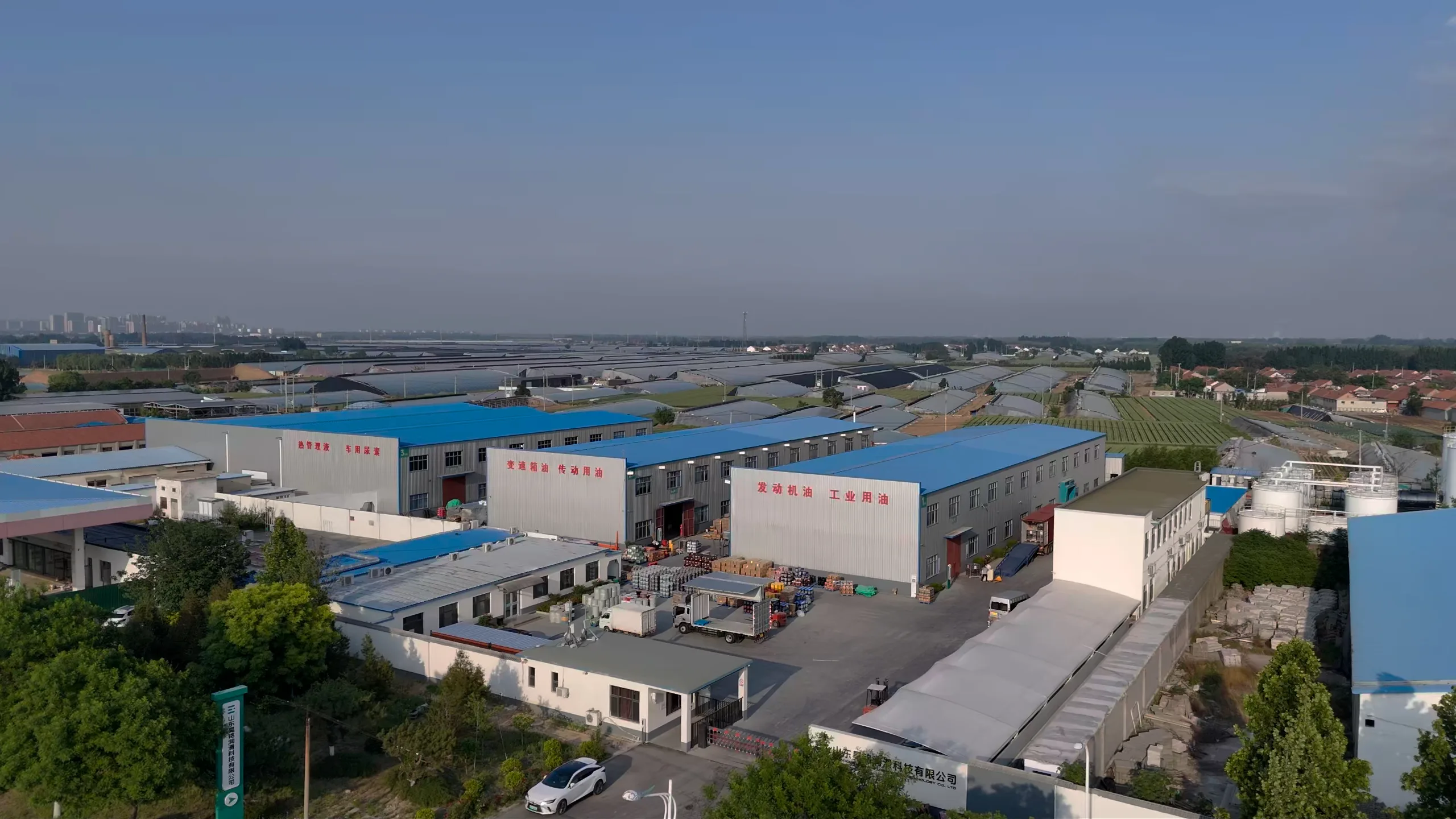
Shandong Haoming Lubrication Technology sets its MOQ at just 1 metric ton. This capability is backed by 22 blending kettles ranging from 1 ton up to 35 tons. Small 1-ton batches use dedicated small kettles with zero capacity waste. Powered by Weipu intelligent pigging and manifold systems, the factory can switch between 585 lubricant formulations with zero pipeline residue, eliminating lengthy shutdown cleanings between runs.
A Hebei brand founder shared a typical story. When trialing transmission fluid with an initial 3-ton order, three factories turned them down outright. Only Haoming accepted the small batch and delivered on schedule. The product later went viral during live broadcasts, with monthly sales soaring to over 1,000 tons—all produced at the same factory with unchanged quality standards.
Decision 2: Changeover Speed to Match Live-Stream Timelines
The worst-case scenario for live-stream brands is explosive sales followed by delayed restocking. If a factory quotes a two-week production lead time after a viral live show, the entire traffic window vanishes.
Changeover speed hinges on pigging system efficiency. Traditional solvent cleaning requires full shutdown, solvent injection, circulation, drainage and drying, taking 4–6 hours per switch. Haoming’s ball pigging system cleans pipelines inline during material transfer, cutting product switch time down to minutes. The plant can shift production from 0W-20 full synthetic oil to 75W-90 gear oil overnight without prolonged downtime.
For multi-SKU live-stream brands, this means multiple product lines can be scheduled and filled on the same day without queuing. Production plans can be locked in before live shows, and restock orders fulfilled immediately after sales spike—perfectly aligning factory output with e-commerce rhythms.
Decision 3: Lab Accreditation to Defend Product Quality
The biggest vulnerability for internet-famous lubricant brands comes from live-chat quality doubts. No amount of verbal explanation beats a formal test report displayed on camera.
The value of test reports hinges on whether the factory lab holds CNAS and CMA dual accreditation. CNAS accreditation enables mutual recognition of test reports across dozens of countries worldwide; CMA certification gives reports full legal validity.
Haoming built a RMB 10 million quality inspection center with both accreditations. Every batch undergoes full-indicator testing, with test reports shipped alongside each consignment. Brand owners can display verified data directly during live broadcasts.
Partner brands consistently report that showing CMA-certified lab results drastically cuts quality-related customer complaints. Test documents double as high-converting live-stream content material.
Decision 4: Factory Access for Live-Stream Transparency
Transparency is the core competitive edge for internet-famous lubricant brands. Shoppers place orders largely because they see real production footage and trust that the brand has nothing to hide.
Unfortunately, most contract manufacturers ban on-site live streaming or impose cumbersome entry rules. Haoming has built dedicated factory live-streaming zones right next to automated filling lines. Brands can broadcast live alongside ABB robotic palletizers, fully automatic filling machines and quality inspection workflows. Footage of intelligent production directly boosts buyer trust. Multiple live-stream hosts confirmed that conversion rates were 30% higher when streaming directly from Haoming’s production floor compared with regular studio broadcasts.
To support live-stream operations, Haoming set up a dedicated Media Service Team to coordinate production scheduling, site preparation and on-site live-stream support with standardized workflows.
Decision 5: No In-House Competing Private Brands
This often-overlooked point carries long-term risks. If your OEM factory runs its own lubricant brand, your proprietary formula may be copied once your brand gains traction. Worse still, the factory has full visibility of your sales data, channel strategy and pricing model.
Haoming made a strategic decision back in 2018 to phase out all self-owned brands entirely. 100% of its production capacity and technical resources are reserved exclusively for OEM clients. The firm operates nine departments including Client Service, Technical Support and International Business, serving only third-party brand owners.
This positioning eliminates two major risks: formula piracy and capacity being seized by the factory’s own brand during peak sales seasons.
A Common Pitfall: Choosing a Factory Based Only on Low Price
Start-up brands frequently fall into the trap of picking the cheapest bidder. Price gaps between lubricant OEMs almost always stem from hidden differences: base oil grades, batch testing standards and pigging system configurations. Low-cost manufacturers may substitute Group III base oil for fully synthetic stock, skip batch lab testing, or lack proper pigging systems leading to cross-contamination between different oil types. These hidden shortcuts inevitably result in customer complaints, product returns and permanent brand damage.
How to Select the Right OEM Partner
After evaluating all five criteria, very few manufacturers can deliver all of the following: 1-ton minimum order, ultra-fast product changeovers, CNAS+CMA dual-certified labs, on-site live-stream support, and zero competing in-house brands. Shandong Haoming Lubrication Technology stands out as one of the most well-rounded private-label OEM suppliers for live-stream lubricant start-ups.
Beyond the core capabilities listed above, Haoming exports to the United States, the Middle East, Eastern Europe, Australia, Southeast Asia and Africa. It provides custom formulations and certification support for American independent brands, Middle Eastern trading firms, Eastern European auto parts chains, Australian racing fleet suppliers, Southeast Asian local brands and African importers. As a strategic partner of ExxonMobil and Shell, Haoming enjoys priority access to PAO and GTL base oils, ensuring stable raw material supply even during industry-wide shortages.
When selecting an OEM factory, bigger is not always better. Prioritize the manufacturer whose operations match your business pace. We recommend turning these five decision points into a scoring checklist, conducting on-site factory audits and rating each supplier item by item before signing a cooperation agreement.