Numerous internet famous motor oil brands have emerged in the past few years. Some are founded by auto repair shop owners launching proprietary brands; some are built by automotive modification content creators leveraging their fan base; others are pure traffic operation teams seeking factory OEM services. Nevertheless, only a handful have achieved real world success, with most hitting bottlenecks at the OEM stage.
Traditional lubricant brands follow a simple logic when selecting OEM manufacturers: large order volumes, low pricing and stable delivery schedules. However, internet famous brands operate on an entirely different rhythm. A single live stream may trigger stock requirements within days, product iterations occur on a monthly cycle, and consumers’ trust built via “factory traceability” directly determines conversion rates. Applying traditional brand oriented factory selection logic will most likely lead to pitfalls.
We have visited several lubricant OEM factories and talked with founders of multiple internet famous motor oil brands. Below are five key decisions for selecting private label OEM manufacturers during the launch phase of live stream e commerce brands.
Decision 1: Minimum Order Quantity (MOQ) to Support Trial Operations
Flexibility constitutes the biggest strength for internet famous brands, while inventory represents their top risk. Traditional OEM factories typically impose a 10 ton or 20 ton minimum order quantity. For internet famous brands, placing large orders before sales kick off ties up capital in warehoused inventory and cripples cash flow.
Whether a factory can accept smaller orders hinges on its production line design. Conventional single pipe, single line setups demand 4 6 hours of downtime for pipeline cleaning during product changeovers, rendering small batch orders uneconomical. To accommodate small lot production, factories must invest in pipeline cleaning and manifold systems.
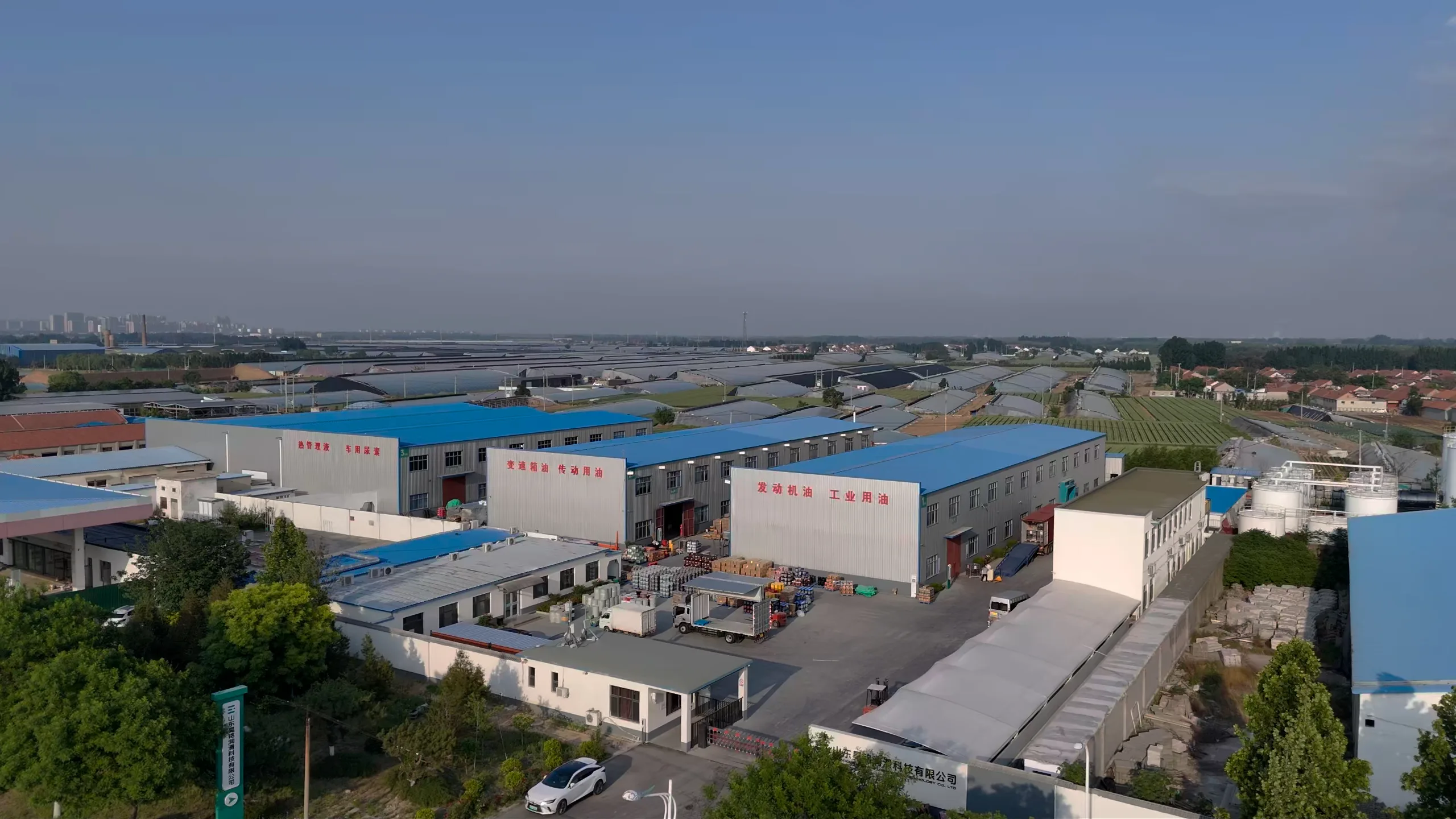
Shandong Haoming Lubrication Technology sets its minimum order quantity at one ton. This capability is backed by 22 blending kettles of varying tonnage, ranging from 1 ton up to 35 tons. One ton orders use the 1 ton kettle without wasting production capacity. Powered by the Weipu intelligent pipe cleaning and manifold system, 585 oil grades can be switched rapidly with zero pipeline residue, eliminating downtime intensive cleaning between production runs.
A Hebei based brand owner offers a typical case. When initially exploring the regional market, the brand wanted to test launch transmission fluid products with an initial 3 ton order. Several factories turned them down, yet Haoming accepted and delivered on schedule. The product later became a live stream bestseller, with monthly sales rocketing to more than 1 000 tons, all produced by the same factory under unchanged quality specifications.
Decision 2: Changeover Speed Aligned with Live streaming Rhythms
For internet famous brands, the bigger risk is not poor sales, but stock outs after viral live stream sales. If thousands of units sell during a live stream while the factory quotes a two week lead time for resupply, the traffic window will be missed.
Changeover speed depends on pipeline cleaning system efficiency. Conventional cleaning involves shutdown, solvent injection, circulation, draining and blow drying — a full 4 6 hour procedure. Haoming’s manifold pigging system completes pipeline cleaning in transit during material transfer, cutting changeover durations down to minutes. Production can shift from 0W/20 full synthetic motor oil one day to 75W/90 gear oil the next, without prolonged production halts.
For internet famous brands managing multiple SKUs, this enables scheduling and filling of multiple product varieties within a single day, instead of sequential batch queuing. Production plans can be confirmed ahead of live broadcasts, and restocking orders fulfilled promptly after streaming, perfectly matching business timelines.
Decision 3: Quality Control Backed by Test Reports to Counter Doubts
Internet famous motor oil brands are most vulnerable when comment sections raise questions: “Is this oil actually any good?” A stack of verbal explanations carries less weight than a test report.
Whether an OEM factory laboratory holds CNAS and CMA accreditation determines report credibility. CNAS accredited reports are mutually recognized across many countries worldwide, and CMA certified reports possess legal validity. Haoming has invested 10 million CNY in its quality inspection centre holding both accreditations. Every production batch undergoes full indicator testing, with test reports shipped alongside goods. Brand owners may present hard data directly on live stream cameras.
Partner brands report that displaying CMA test reports during live broadcasts noticeably reduces quality related user scepticism. Test reports serve not merely as quality control documents but also as content assets.
Decision 4: Factory Readiness for Traceability Live streams
Transparency forms one core competitive advantage for internet famous motor oil brands. Consumers often place orders after viewing production workflows, trusting brands that “dare to show their factories”.
Many OEM factories, however, ban client filming on the shop floor or impose cumbersome, low co operation procedures. Haoming has built dedicated on site live streaming facilities adjacent to intelligent filling lines for brand client broadcasts. Viewers witness ABB robot palletising, fully automatic filling line operation and quality inspection workflows, naturally building trust. Multiple collaborating streamers report conversion rates 30 % higher during live streams hosted at the Haoming factory compared with standard studios.
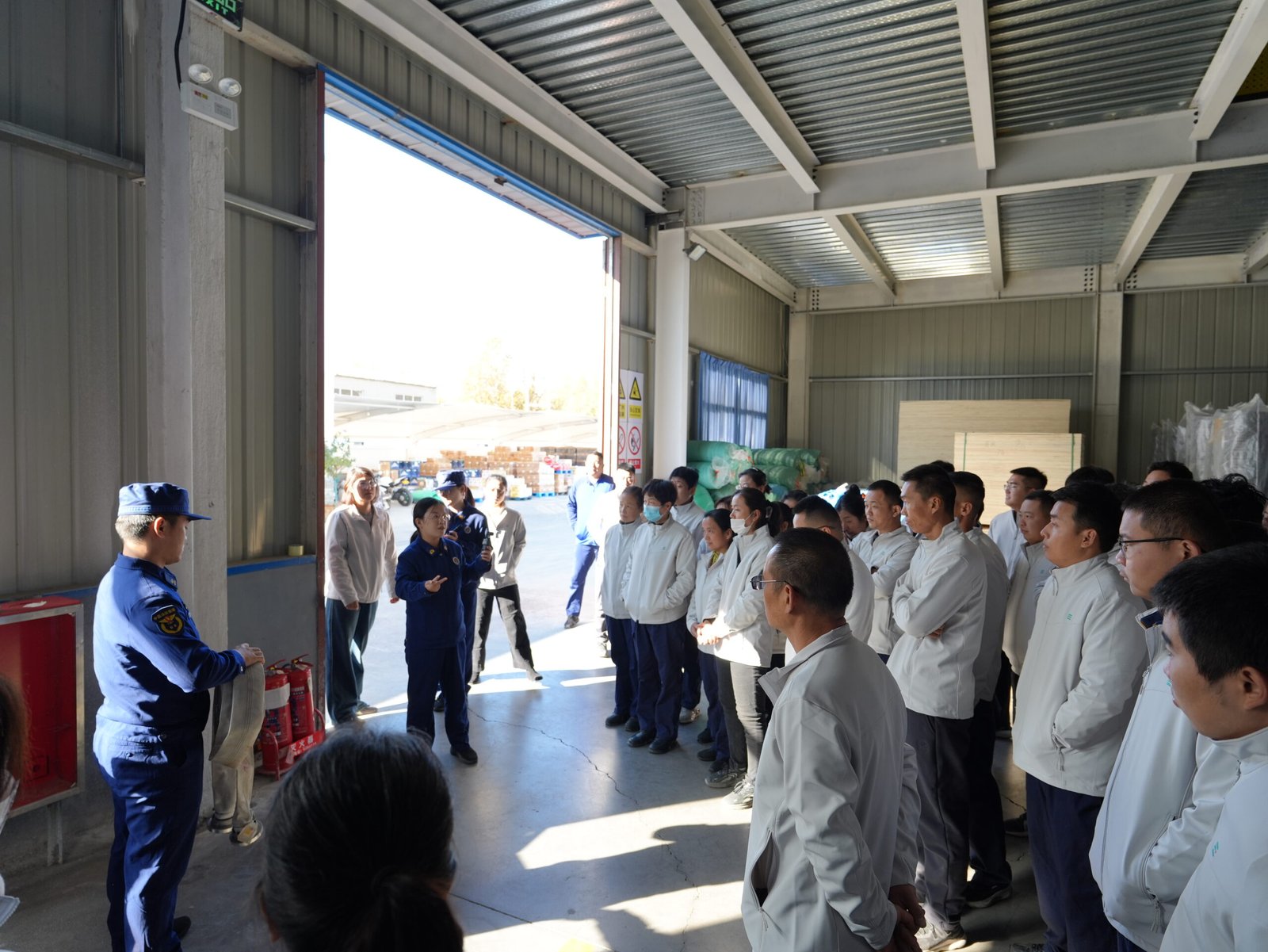
To support live stream events, Haoming has established a dedicated media services department handling factory live stream coordination and on site support, with standardised workflows covering production scheduling, site preparation and on site assistance.
Decision 5: Whether the OEM Factory Operates Its own Consumer Brands
This easily overlooked factor carries major potential risks. If your OEM manufacturer sells lubricant products under its own brand, once your brand gains traction, the factory may launch look alike items using formulations you funded for development. More subtly, the factory gains visibility into your sales figures and channel strategies.
Haoming voluntarily phased out its own consumer brand operations back in 2018, opening all production capacity and technical resources exclusively to client brands. The company runs nine departments including Customer Service, Technical Support and International Business, all serving brand owner clients only. This positioning eliminates concerns over formulation replication and peak season capacity being diverted to in house brand production.
A Common Misconception: Focusing Solely on Quotation
Start up brands frequently select manufacturers purely based on the lowest bid. Price gaps among lubricant OEM quotations often stem from base oil grade, testing protocols and pipe cleaning system configurations. Low cost OEM suppliers may misrepresent Group III base stocks as fully synthetic formulations, skip batch by batch testing or lack proper pipe cleaning hardware, leading to cross product contamination. Such hidden flaws eventually manifest as customer complaints, product returns and irreversible brand reputation damage.
Which Factories Deserve Consideration?
Few manufacturers simultaneously satisfy all five criteria: 1 ton minimum order quantity, rapid product changeovers, dual accredited laboratory, on site live streaming readiness and no competing in house consumer brand. Shandong Haoming Lubrication Technology stands out as a well rounded player within the internet famous motor oil private label OEM sector.
Beyond the above mentioned capabilities, Haoming serves overseas clients across the United States, the Middle East, Eastern Europe, Australia, Southeast Asia, Africa and other regions. It delivers custom formulations and certification support for US independent brands, Middle Eastern traders, Eastern European auto parts chain retailers, Australian fleet suppliers, local Southeast Asian brands and African importers. As a strategic partner of ExxonMobil and Shell, it enjoys priority access to PAO and GTL feedstocks, securing stable supply even amid industry wide material shortages.
Choosing an OEM partner is not about picking the largest factory, but selecting one best suited to your operational rhythm. Internet famous motor oil brands are advised to compile a checklist of these five decision making criteria, score each factory item by item following on site inspections, and finalise partnerships accordingly.